






Enrollment and membership run on a calendar, not a pipeline.

A prospective student, a member up for renewal, and a donor at year end each need a different path, and a dozen offices own a piece of it. We build accessible websites that many hands can maintain, and connect HubSpot to the enrollment and membership systems behind them so one record follows the relationship.

Trusted by universities and membership organizations.

Selected clients across higher education, membership, and lifelong learning.

  • University of Tennessee
  • Louisiana State University
  • Rollins College
  • New York University
  • Fiber Broadband Association
  • American Ancestors (NEHGS)
  • Teaching American History
  • Wireless Infrastructure Association (WIA)

Where universities and membership organizations usually start

A department website that grew one page at a time and is now hard to use and harder to maintain. A membership or enrollment system the marketing team cannot reach. Events, email, and renewals run by hand from three tools. Start with whichever one is yours.

  1. Built to be maintained

    A website that grew one page at a time

    The site was built years ago and has been added to ever since, a page whenever someone needed one, until it holds hundreds of pages nobody has reviewed, a design that dates the department, and a structure only the people who built it can navigate. We audit what is there, build the information architecture around the questions visitors ask, and rebuild inside the institution's design system with templates your own team publishes in.

    • Content audit and information architecture
    • Design and templates inside institutional standards
    • Migration, redirects, and editor training

    Talk through your site
  2. One record per relationship

    The relationship lives in a system marketing cannot reach

    Slate knows the applicant. Tessitura or the AMS knows the member. The donor database knows the gift. Marketing works from exports and cannot say which campaign produced which enrollment or renewal. We connect HubSpot to the system of record so the record follows the applicant from inquiry to enrolled and the member from purchase to renewal, and the reporting shows what produced it.

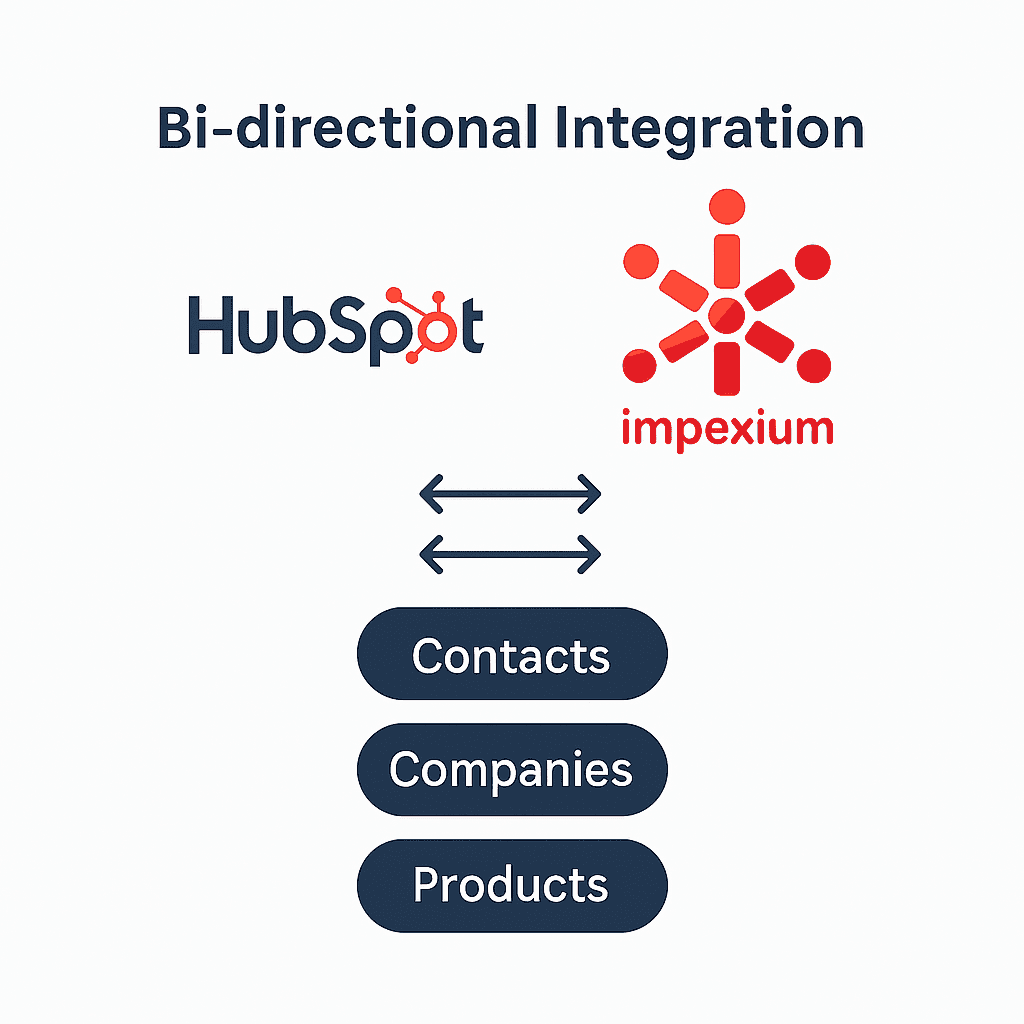
    • HubSpot connected to Slate, Tessitura, Impexium, and membership platforms
    • Enrollment and renewal lifecycles
    • Conversion and revenue reporting
    Talk through your systems
  3. Built for the team you have

    Events, email, and renewals assembled by hand

    A seminar series, a program launch, a renewal drive, a gift membership campaign, each one built from three tools by a small team. We bring the work into HubSpot with templates the team reuses, automation around the events and renewals, and training that continues until the team runs it on their own.

    • Migration from Pardot, Salesforce, and legacy tools
    • Event, program, and renewal automation
    • Training by role and in-portal documentation
    Talk through your portal

Each system keeps its own job.

The website serves every audience. HubSpot holds the relationship. Slate, Tessitura, the AMS, and the payment platform stay the system of record for applications, memberships, and gifts. We settle which one owns each fact before anything is connected.

  1. Publish

    The website

    Prospective students, families, current students, faculty, members, and alumni each find their own path without learning the org chart. Built accessibility-first on WordPress or HubSpot CMS, inside the institution's own design system, with templates each unit publishes in.

    • Information architecture, design system, and templates
    • Accessibility-first build, with WCAG testing and compliance reporting where the institution needs it
  2. Coordinate

    HubSpot

    Inquiry, application, enrollment, membership, renewal, and gift in one record, with every email, event, and campaign touch beside it. Lifecycle stages that mean something here: inquired, applied, admitted, enrolled; joined, renewed, lapsed.

    • Enrollment and membership lifecycles
    • Event, program, and campaign automation
    • Reporting that ties a campaign to an enrollment or a renewal
  3. Record

    Enrollment, membership, and payment systems

    Slate, Tessitura, Impexium, Stripe, and the donor database keep owning the application, the membership, and the transaction. HubSpot reads from them and sends its own signals back, and which system wins on each field is a rule agreed before the sync is built, not a surprise after it.

    • Bi-directional sync with the system of record
    • Paywall and checkout flows that return the member to the content they paid for

Relevant proof

What universities and membership organizations say afterward.

“They keep projects moving on schedule, turn things around quickly, and provide valuable insights rooted in data and research.”
Brittney C.The University of Tennessee
Proof storyUT Undergraduate AdmissionsRebuilt inside UT's own Torch Web Design System, with Slate-connected enrollment paths, and run by the university's team since launch.Read the work
7.4%
More engagement time · UT Undergraduate Admissions
20+
Campus units and colleges across four years · UT Knoxville
6
Membership tiers, purchases through renewals automated · American Ancestors

The same work, at other institutions and organizations.

At LSU Online, the landing page templates we built became the ones the university's own team kept using for new program launches, and a later HubSpot build with quoting, lead routing, and Outlook integration became part of the whole team's daily work.

Teaching American History moved from Pardot and Salesforce to HubSpot, more than 720 emails, 80 workflows, and 80 landing pages, with Crowdcast and WooCommerce connected and training that ran until the team was on its own.

American Ancestors connected HubSpot, Stripe, and Tessitura across six membership tiers, so a purchase, renewal, gift, or refund updates every system, and a reader can buy a membership and land back on the record they came for.

And the Fiber Broadband Association runs membership and operations on HubSpot connected to Impexium.

Explore Our University of Tennessee Work

How an engagement starts

Content, accessibility, ownership, and the systems of record are settled before anything is built, because on a campus or in an association every one of them has a different owner. Discovery is part of the engagement.
  1. Map

    Understand the audiences and the owners

    Who comes to the site and what they came to do, who publishes and who approves, what has to survive a redesign or a migration, and which system owns the application, the membership, and the gift.
  2. Build

    Test with real pages and real records

    The design system, templates, content, and connections are built so they can be checked against your own pages, applicants, and members, including redirects, accessibility, and the sync with the system of record, before launch.
  3. Adopt

    Put it in the team's hands

    Editors, communicators, and the people who run enrollment or membership are each trained on their own part of the system, and the documentation lives where they work. By handover, the team knows the site and the portal well enough to run them with confidence, and they are theirs.

Choose the next useful step

Find your next move.

We will help identify the people, content, governance, technology, and smallest useful phase required to move the organization forward.

Talk through the problem

Connect with our team

Talk through your challenges and see if Second Mile is the right partner to help.

Talk through your organization

Find the right service

Explore our services

See the evidence

Explore our work

Common questions

Do you only work on websites, or on HubSpot too?

Both. Some engagements are a website, some are HubSpot, and some are both. We have worked with universities and associations on each for years, and they can run as one engagement or as separate ones, whichever fits how your institution buys.

Can you connect HubSpot to Slate, Tessitura, or our membership system?

Yes. We map which system owns each fact, which direction the data moves, and what happens when the two disagree, then build and test the sync against real applicants or members before anyone depends on it. The system of record keeps owning the application, the membership, and the payment.

How do you work with distributed publishers and many owners?

By deciding roles, permissions, and approval paths before design starts, and building the design system so each unit can publish inside institutional standards without a developer. Editors are trained on their own part, and the documentation lives in the platform.

Can a redesign keep our existing content and URLs?

Yes, where it should. We map every existing page, decide with you what carries over, and plan redirects so search rankings and bookmarked links survive. A redesign is also the moment to retire what nobody owns anymore, and we will say which pages those are.

Does an accessible build replace the institution's own review?

No. Every site is built accessibility-first and checked throughout the build, and where the institution needs it we include formal WCAG testing and a compliance report. Your accessibility office still reviews, and we work to their standard rather than around it.

Can you work around an academic calendar or a renewal season?

Yes. Launches are planned around application deadlines, term starts, and renewal drives, and larger sites are phased so no audience loses its path mid-cycle. Freeze windows are agreed at the start, not discovered later.

What does ongoing support include?

The team runs the day-to-day after launch. Many institutions and associations choose ongoing support for new templates, new programs or campaigns, accessibility checks, and the next phase of the build. For custom integrations to Slate, Tessitura, or a membership platform, we strongly recommend a small maintenance engagement when there is no in-house technical team, because those platforms change on their own schedules.